
Mid 2026 Reflections: Global Capital in Recalibration

Introduction
Halfway through 2026, it is worth pausing – not to chase every fluctuation of the past six months, but to step back and observe the deeper forces reshaping global capital allocation.
Over the past six months, we have tracked three interconnected themes:
1. Capital flows in a shifting geopolitical landscape,
2. the institutionalisation of private wealth in Asia, and
3. the counter‑cyclical resilience of certain consumer segments.
These threads point to a central question: in an era of heightened global uncertainty, where are investors finding new anchors?
This blog offers a brief review of our research over the first half of the year, along with a glimpse of the themes we will continue to follow in the coming months.
Global Capital Flows: A Structural Story Unfolding
The 2026 Kearney FDI Confidence Index sends a noteworthy signal: Canada has overtaken several traditional European markets to become the world’s second most trusted destination for foreign direct investment. Behind this shift lie multiple structural factors – resource endowments, legal stability, and the repricing of “certainty” in volatile times.

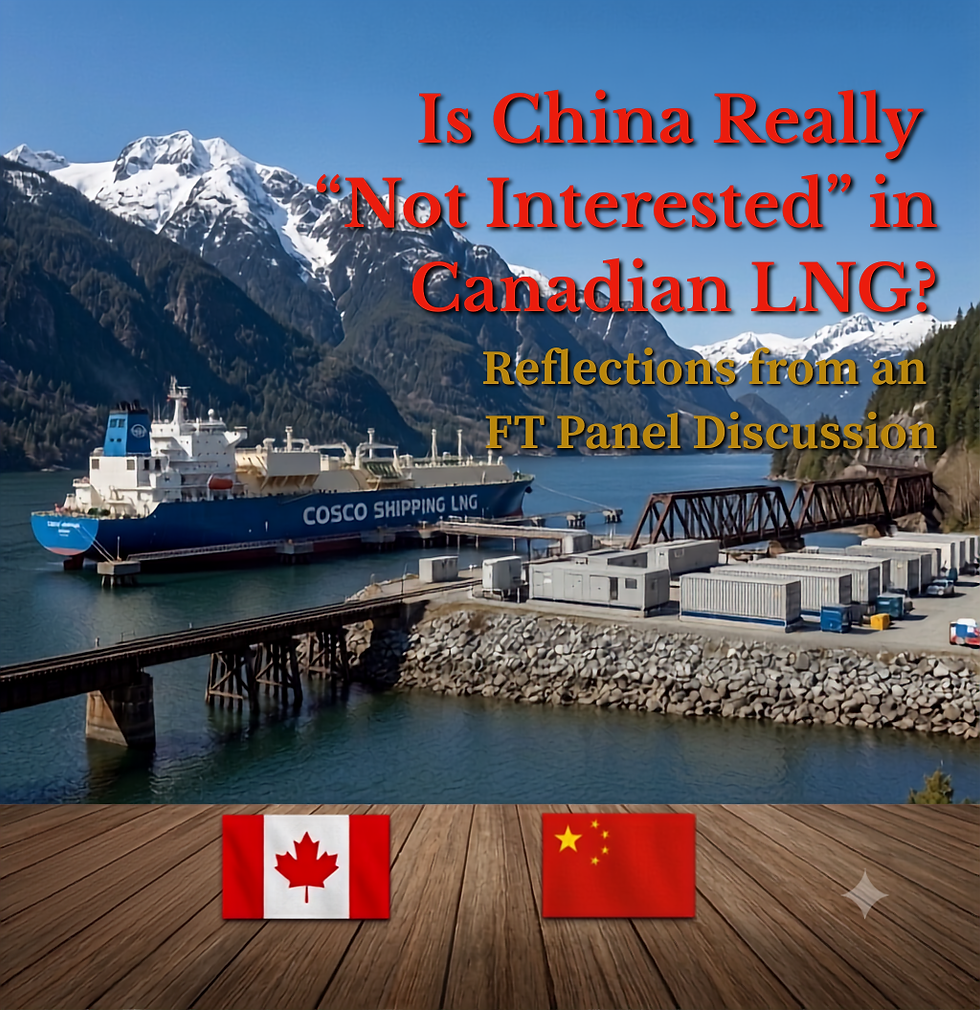
Global LNG markets are undergoing a profound reconfiguration. Geopolitical tensions have reshaped Europe’s energy import map, while major Asian economies continue to seek diversification of energy supply. Against this backdrop, jurisdictions with abundant natural gas resources and political stability are gaining unprecedented strategic attention. LNG export capacity on Canada’s west coast is moving from planning to reality – a story not only about Canada, but also about the broader re‑drawing of global energy trade routes.
For cross‑border investors, the question is no longer “whether to pay attention”, but “from which angle to approach”. The long‑term return characteristics of infrastructure assets, the repricing of geopolitical risk, and structural demand growth in Asia are all themes worth ongoing attention.
A New Coordinate for Private Wealth
At the same time, private wealth management in Asia is undergoing a quiet transformation.

The number of single‑family offices in Hong Kong grew from 2,703 at end‑2023 to 3,384 at end‑2025. In the first four months of 2026 alone, 36 new offices were set up or expanded, and around 160 are actively considering doing so. Behind these numbers lies a deeper trend: wealth management is moving from individual decision‑making to institutionalised operation.
The asset allocation horizon of family offices has expanded beyond traditional equities and bonds into broader alternative assets – including infrastructure, energy projects, and real assets with long‑term cash flow profiles. For professional advisors (lawyers, accountants, wealth planners), understanding the direction of this shift is more important than predicting its speed.
A Methodological Footnote: From the “Pet Economy” to Structural Demand Analysis

Our Deconstructing the Pet Economy series earlier this year appeared, on the surface, to be an analysis of a consumer sector. But behind that project lies a way of thinking worth sharing.
The global pet economy has surpassed US$300 billion, with the Chinese market reaching RMB 312.6 billion. Our research found that roughly 40% of pet owners are willing to pay a 20% premium for smarter, space‑efficient pet products. Yet the significance of these numbers is not simply “how large the pet sector is”. Rather, it lies in this: when an industry simultaneously exhibits structural growth, counter‑cyclical resilience, and a clear path of consumption upgrade, it deserves systematic, deep investigation.
This is the methodology we are practising – not chasing short‑term hotspots, but identifying overlooked sectors undergoing structural change, and explaining them clearly with data and logic. This approach applies to consumer sectors, and equally to energy infrastructure, cross‑border capital flows, and other broader fields.
Three Observations from the First Half

First, “certainty” is being repriced. In past market environments, stability was often taken for granted. But in today’s global landscape, legal predictability, resource accessibility, and supply chain security are commanding unprecedented valuation premiums.
Second, long‑duration assets deserve a fresh look. When short‑term volatility becomes the norm, long‑duration projects with predictable cash flow streams are showing distinctive appeal. This is not a new logic, but the shifting macro environment has made it more compelling than ever.
Third, deep research is itself a scarce capability. In an age of information overload, what truly matters is no longer “what you know”, but “how you think”. The analytical frameworks we spent considerable time honing in the first half are becoming the foundation for all our subsequent work.
Focus Areas for the Second Half
Moving into the second half of 2026, we will continue our research along the following lines:
1. Shifts in global capital flows. We will track how geopolitical changes are shaping cross‑border investment decisions, particularly in jurisdictions and asset classes that are emerging as new focal points.

2. Asset allocation trends in Asian private wealth. The growth in family office numbers is only the beginning. We will focus on the specific decision‑making logic of these institutions regarding asset classes, geographic allocation, and risk management.
3. Sectors with structural advantages. Whether in energy infrastructure, consumer goods, or other industries, we are always looking for sectors that combine long‑term trends with macro resilience, applying our proven research methodology to analyse them in depth.
Conclusion
We do not predict markets or chase hot topics. We focus on slow but certain trends – the ones that often begin reshaping the underlying logic of markets before most people notice them.
Our work in the first half has reinforced a conviction: in a time of global change, maintaining a macro perspective, grounding analysis in data, and staying alert to structural shifts is more important than ever.
Thank you for your continued attention. If you have your own observations or questions about any of the trends mentioned here, we are always open to a conversation.
Disclaimer: This article is for general reference only and does not constitute legal or investment advice. For specific situations, please consult qualified professionals.
About FirstCapital Advisers
FirstCapital Advisers focuses on providing integrated cross‑border advisory services to corporations and families. Our “Two‑Pillar” strategy – Corporate & Institutional Advisory and Private Wealth & Global Mobility – offers one‑stop solutions ranging from corporate finance and cross‑border M&A to global asset allocation and residency/citizenship planning. If you would like to learn more about family wealth planning, please feel free to contact our team.


Comments